
World Top 1 Percent Net Worth
Let’s be honest for a second. When you hear “top 1 percent,” your brain probably flashes to private jets, gold-plated faucets, and people who tip in hundred-dollar bills. You might even picture that one uncle who buys a new boat every summer and calls it “an investment.” But here’s the thing: the real top 1 percent is a lot weirder, a lot bigger, and honestly, a lot more fascinating than you’d think.
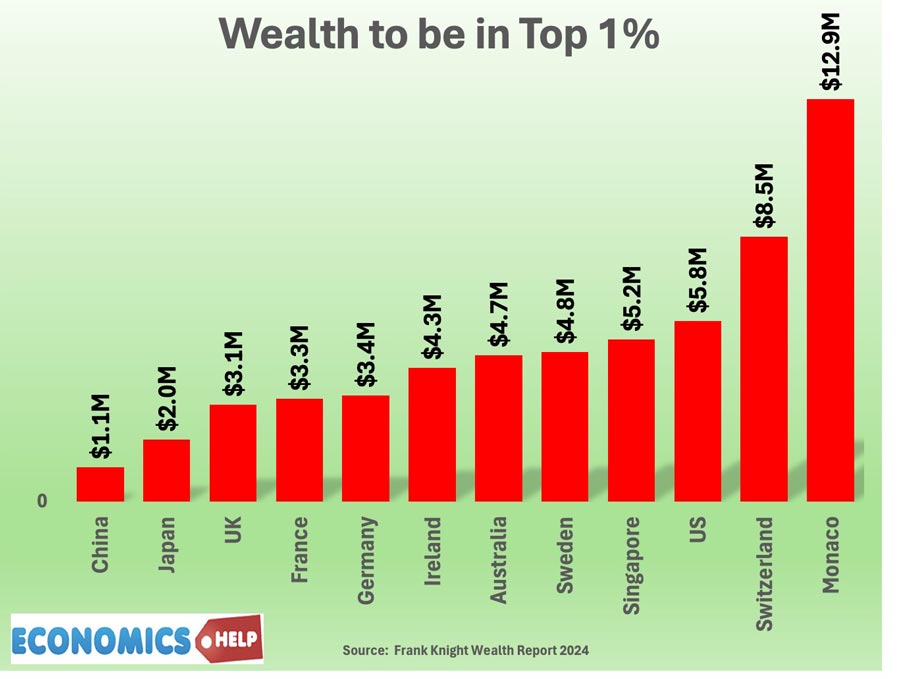
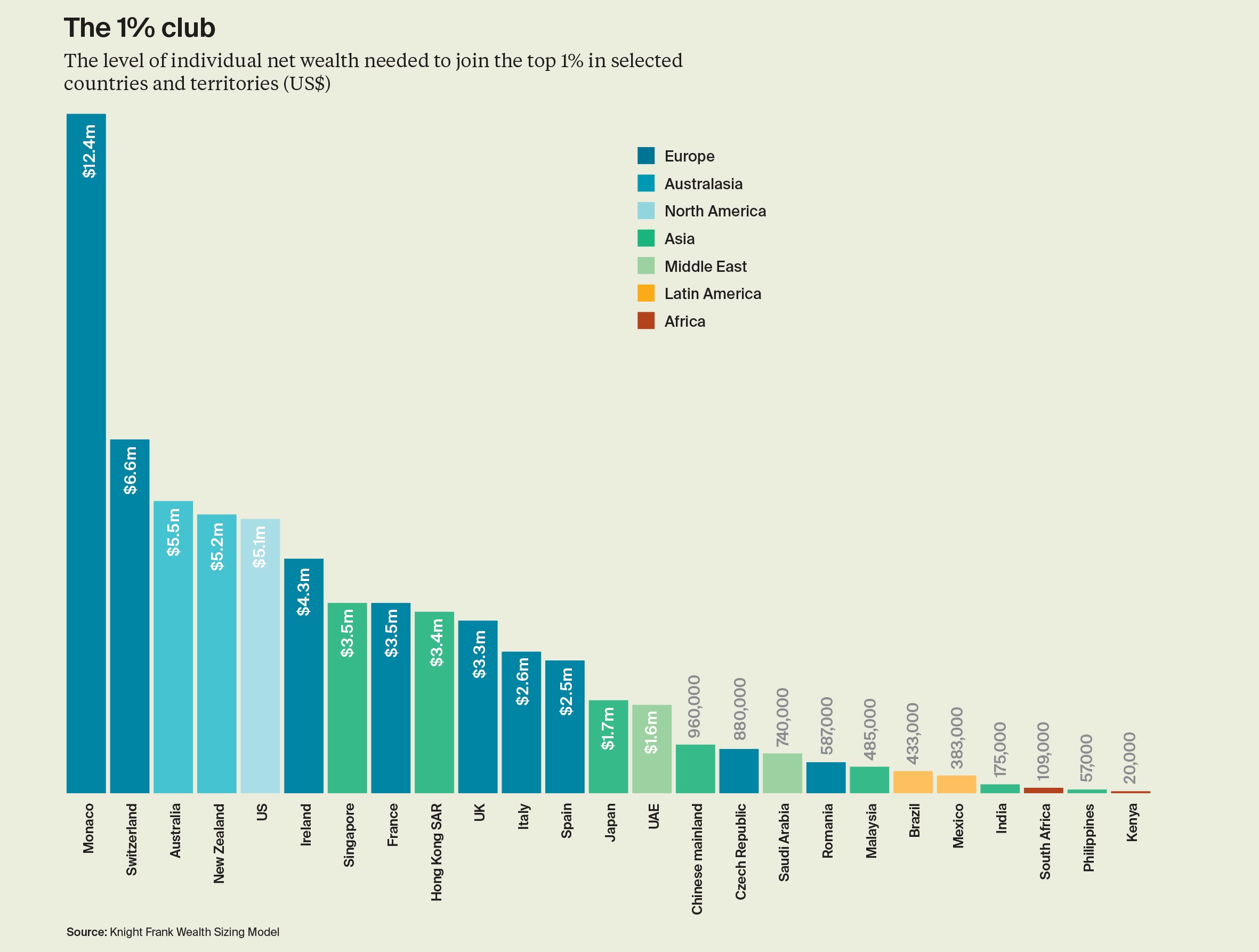
According to the latest numbers, you need a net worth of about $5.8 million to be in the global top 1 percent. That’s not $5.8 million in income, mind you. That’s everything you own—house, car, savings, that dusty coin collection—minus everything you owe. For most of us staring at a mortgage or a credit card bill, that number feels like something from a sci-fi movie. But here’s the plot twist that will make you smile: you might be closer than you think, especially if you live in a wealthy country.
Let’s do a quick reality check with a story. Imagine your neighbor, Dave. Dave drives a 2018 Honda, grills burgers on a rusty Weber, and complains about property taxes. He doesn’t look like a billionaire. But if Dave owns his modest house free and clear in a decent neighborhood, has a 401(k) with a few hundred thousand in it, and zero debt, his net worth could easily cross the million-dollar mark. In the global ranking, that puts Dave in the top 1.2 percent. Dave is basically a global elite, and he’s just happy to find a parking spot at Costco.
Must Read
That’s the secret that makes this whole topic so fun. The “top 1 percent” isn’t just one group. It’s a ladder with a thousand rungs. The person with $6 million is in the club, but so is the person with $600 million. They are not living the same life. One is worried about vacation home repairs; the other is buying a small country. Understanding this helps you stop feeling jealous of the rich and start feeling curious about how money actually works.
Why Should You Care? (Seriously, You Should)
You might be thinking, “Great, I’m not in the club. Why does this matter to my Tuesday night dinner of leftover pasta?” Good question. Here’s the thing: the top 1 percent holds about 38% of the world’s wealth. That means a tiny group of people controls a massive chunk of the pie. That affects your rent, your grocery bill, and even the interest rate on your savings account.
Think of it like a giant pizza. If five people grab 38 slices, the rest of us are fighting over the remaining 62. That doesn’t mean you should march on the pizza place with a pitchfork. But it does mean you should pay attention to where the crust is going. That’s why economists, politicians, and even your dad always talk about “wealth inequality.” It’s not just a fancy term for nerds. It’s the reason why some cities have 30-dollar minimum wages and other places can’t fix a pothole.
The “Aha” Moment: Your Spot on the Global Map
Here’s where it gets really personal. If you live in the United States, Canada, Australia, or most of Western Europe, and you have a steady job, a little savings, and maybe a retirement account—guess what? You’re probably in the global top 5%. That’s not a motivational poster; it’s just math. The median net worth in the U.S. is around $192,000 per adult. That’s still tiny compared to the 1%, but it’s massive compared to most of the world.
Let’s paint a picture. A single mom in Ohio making $60,000 a year, with a used car and a small emergency fund, is richer than 90% of the people on this planet. She might not feel rich—she definitely doesn’t feel rich on the 15th of the month—but she has clean water, reliable Wi-Fi, and a fridge that works. That’s global wealth, baby. It’s wild, but it’s true. So before you beat yourself up for not having a yacht, remember that you probably have a quiet superpower: financial stability.
What You Can Actually Learn From This
You don’t need to obsess over joining the 1 percent. That’s a trap, like trying to become a professional athlete in your 40s. But you can borrow a few of their habits without feeling gross about it. The top 1 percent don’t make their money by buying latte’s and skipping avocado toast. They make it by owning assets—stocks, real estate, businesses—that grow while they sleep.
So, the practical takeaway is simple: don’t be impressed by the person with flashy cars. Be impressed by the person who quietly invests $100 a month into an index fund. That person is building a tiny ladder toward that top 1 percent. And the best part? You don’t need a private jet to start. You just need a budgeting app and a little patience. In twenty years, Dave with the Honda might be Dave with a net worth of two million—and he’ll still complain about the price of ground beef.
Finally, the next time you hear “top 1 percent,” don’t roll your eyes or cringe. Smile and think of Dave. Think of the pizza slices. And remember that the value of your life is not measured in a bank statement. But if you want to be a little smarter about your money, knowing the game—and who’s winning it—is a solid first step. You don’t have to join the club. But it’s fun to know exactly where the velvet rope is, and why so many people are on the other side.