
What Is Kobe Bryant's Net Worth
I remember the exact moment I tried to explain Kobe Bryant’s net worth to my uncle. He squinted at me and asked, “So, like, a billion dollars?” and I, feeling very smart, said, “No, more like half that, but he also owns a billion in crazy investments.” My uncle just nodded, clearly picturing a vault of gold sneakers. But the truth is, trying to pin down Kobe’s fortune was always like chasing a ghost—the number kept shifting long after he was gone. So, let’s talk about the real number, and trust me, it’s more complicated than a box score.
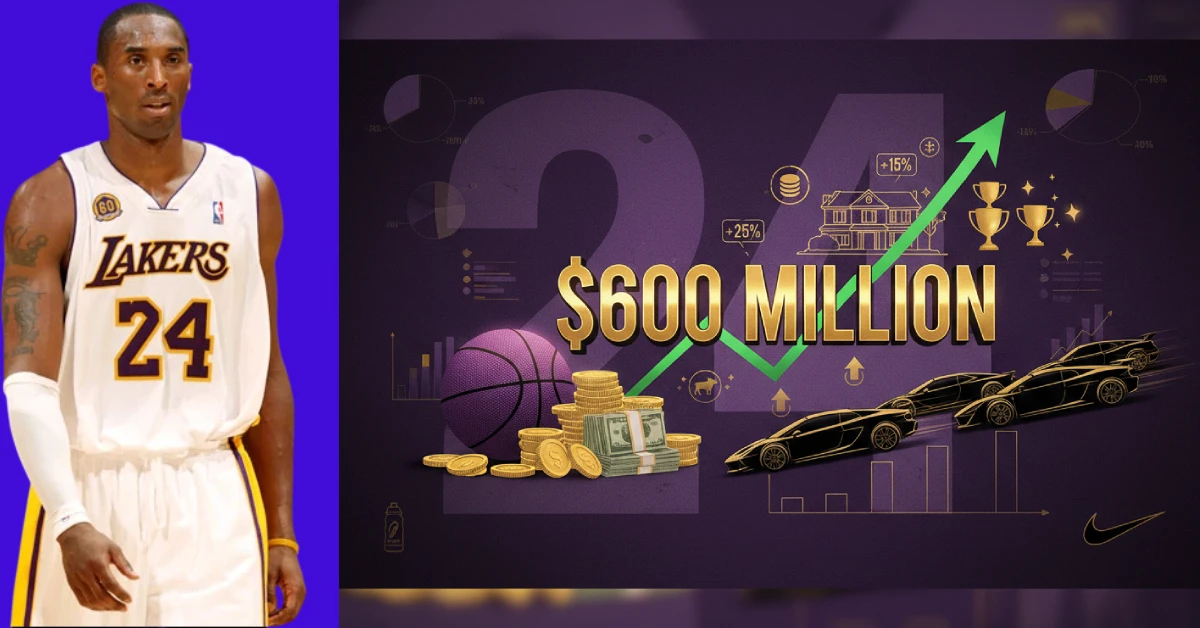
First, let’s clear the air: Kobe Bryant was never a billionaire while he was alive. I know, I know, the internet loves to throw that word around, but the math didn’t work that way. At the time of his tragic passing in January 2020, his net worth was estimated at around $600 million. That’s a massive pile of cash, sure, but it’s a far cry from the B-word. (Side note: Can you imagine being disappointed by $600 million? I can’t either, but here we are.)
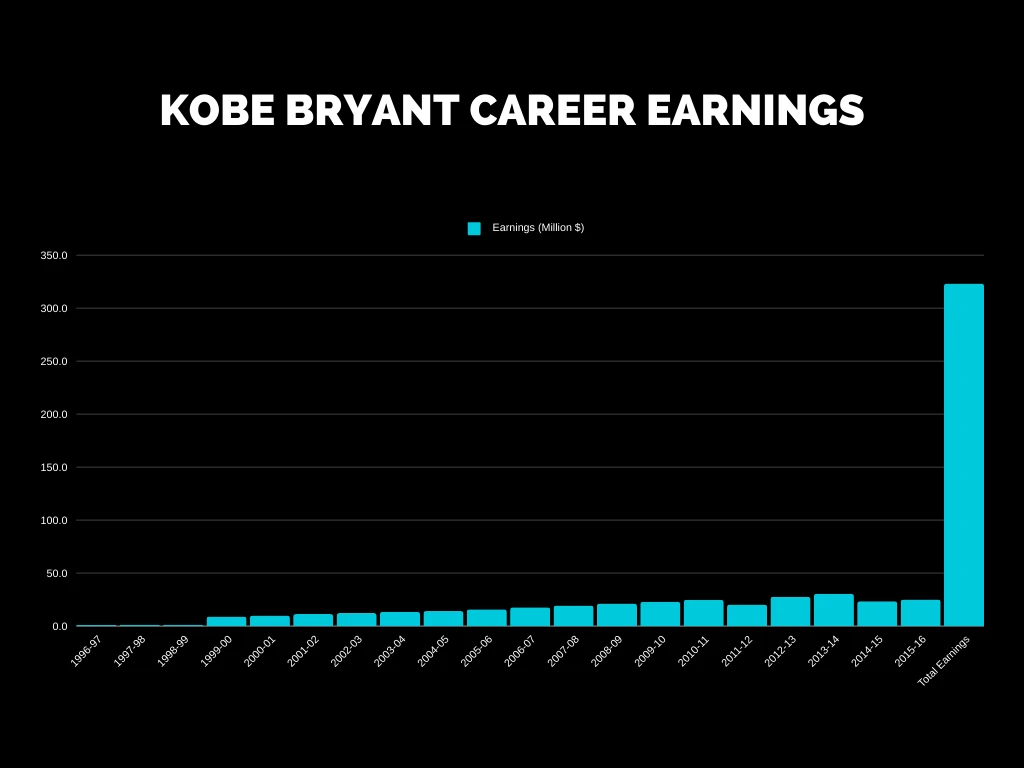
So where did the money actually come from? It wasn’t just his NBA salary, though that was a monster start. Over his 20-year career with the Lakers, he earned roughly $323 million in salary alone. That’s the kind of money that makes you realize why he never felt pressure to take a pay cut. He was the guy who could buy the building, not just the suite.
Must Read
The Mamba’s Business Playbook
But here’s the kicker: Kobe didn’t just stack checks from hoops; he built a business empire that outlived his playing days. His post-retirement venture, Granity Studios, was his real passion play. That’s where he cooked up the Oscar-winning short film Dear Basketball and his series of young adult novels, like The Wizenard Series. (I’ll be honest, I tried reading one, and it’s way more artsy than I expected—but hey, it sold.)
His strategic investments were the silent assassins of his portfolio. He famously put $6 million into BodyArmor sports drink back in 2014 for a 10% stake. When Coca-Cola bought the brand in 2018, that stake ballooned to over $200 million. That’s a return that makes a Wall Street guy weep into his kale smoothie. (Just a reminder: he did that while everyone else was still buying Gatorade.)
The Real Money Moves
He also had a smart play with Bryant Stibel, his venture capital firm. They invested in over 15 companies, including Alibaba, Dell, and even a few gaming startups. The guy was ahead of the curve on tech, which is ironic because he hated using his phone for anything but texting. His focus was on minority-led startups and media, which meant his money was doing good while making more money.
Plus, his endorsement deals were monstrous. Nike, Coca-Cola, Mercedes-Benz, and even Turkish Airlines—he was a walking billboard. But unlike some athletes who just slap their name on anything, Kobe was obsessive about value. He turned down deals worth nine figures because they didn’t align with his brand. (I respect that, but also, I would’ve taken the check, just to be clear.)
Now, let’s talk about the estate after his death, because that’s where things get morbidly fascinating. Since he passed without an updated will (yes, really—a legal headache), his $600 million estate went into a trust for his wife, Vanessa, and his three surviving daughters. But the value didn’t stay static. Nike renewed the Kobe brand deal in 2021, and his merchandise sales skyrocketed. By 2022, Forbes estimated his estate was pulling in $400 million per year just from that shoe line alone. Crazy, right?
So, what’s his net worth now? Let’s do the math: the estate is generating insane revenue, but it’s also paying massive taxes and legal fees. Some analysts say the family is worth over $1 billion today, but that’s not really “Kobe’s” money—it’s his legacy’s money. He’s not here to buy another island, but his name is doing the heavy lifting.
Here’s the honest truth: asking “what is Kobe’s net worth” is like asking how many points he’d score in a game today—it’s a moving target. He was worth $600 million alive, but his posthumous value is pushing past a billion because of smart licensing and the eternal glow of his brand. (And if you’re thinking, “Dang, I should’ve invested in BodyArmor,” yes, you should have.)
So, the next time someone asks you about Kobe’s fortune, just smile and say, “He left a billion-dollar footprint.” Because that’s the real metric. He wasn’t just wealthy; he was wealthy in a way that outlives a lifetime. And honestly? That’s a bigger flex than any triple-double.