
Why Is Kodak Net Worth So Low
Let’s be honest—when you hear the name Kodak, you probably don’t think “billion-dollar powerhouse.” Instead, you might picture your grandma’s dusty photo albums, or that awkward school picture day where the photographer yelled “smile!” too many times. The company that literally invented the phrase “You press the button, we do the rest” is now worth a fraction of what it once was. It’s like watching a former rockstar now playing tiny coffeehouse gigs—still talented, but the glory days are gone.
So, why is Kodak’s net worth so low? The short, honest answer is that they missed the digital boat, and they missed it spectacularly. Back in the 1990s, Kodak had a stranglehold on film. They were the big kid on the block, the one everyone invited to the party. But then, digital cameras started whispering, and later, smartphones started shouting. Kodak had the technology early, but they were so scared of killing their golden goose (film) that they let the goose waddle right into a busy highway.
The Classic "Too Good Too Late" Story
Think of it like this: you have a favorite diner that makes the world’s best pancakes. You love those pancakes. But then a new place opens up that makes pancakes, waffles, bacon, and also delivers via drone. You’re not going to stay loyal to the old spot forever, right? Kodak invented a digital camera in 1975, but they hid it because they feared it would hurt their film sales. Meanwhile, other companies like Sony and Canon were busy building the future, no pancake loyalty required.
Must Read
That hesitation is a killer. By the time Kodak dipped their toes into digital, the market was already flooded with cheaper, better options from competitors. It’s like showing up to a potluck with a bag of chips after everyone else has brought gourmet dishes. The net worth tanked because they went from being the must-have to the maybe-buy.
What Actually Happened to the Money?
Kodak’s net worth is low because they had to file for Chapter 11 bankruptcy in 2012. That’s a fancy way of saying “we owe too much money, and we need a reset.” When a company goes through that, shareholders often get wiped out, and the stock price drops to pennies. It’s like if your best friend borrowed your car, crashed it, and then handed you back the keys with a “sorry, buddy” and no insurance.
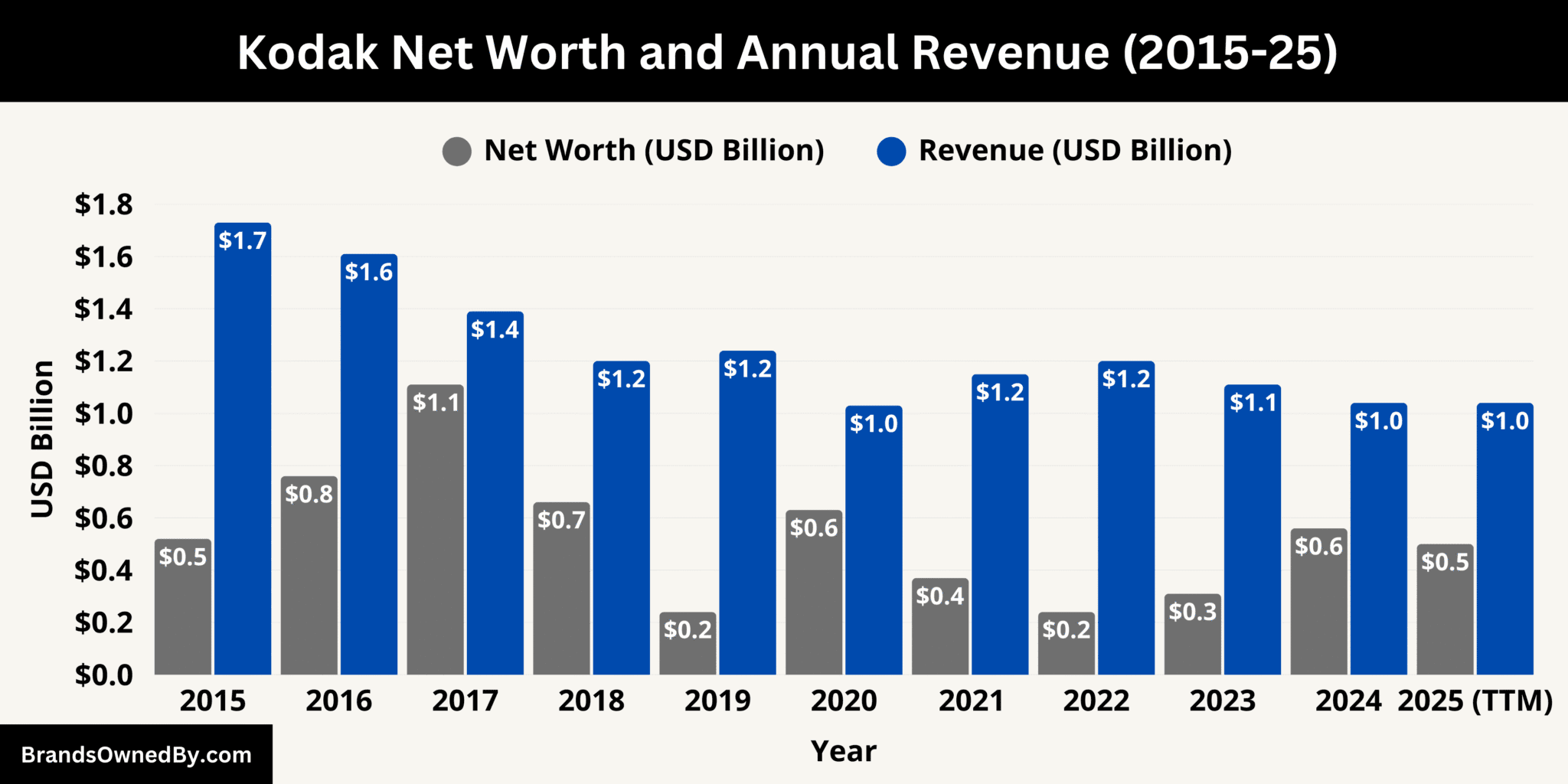
After bankruptcy, Kodak pivoted. They tried to sell printers, then pharmaceuticals, and even dabbled in cryptocurrency. These attempts felt a bit like your dad trying to wear skinny jeans—uncomfortable, confusing, and not really fooling anyone. The current net worth hovers around a few hundred million dollars, which sounds like a lot, but for a company that was once worth $31 billion at its peak, it’s pocket change. It’s finding a $50 bill in an old coat you forgot you owned—nice, but not life-changing.

Why Should You Care?
You might be thinking, “Okay, cool, but I don’t own a film camera, so why does this matter to me?” Well, Kodak is a giant cautionary tale about adapting to change. In our daily lives, we all have a little Kodak in us. Maybe you’re still using a flip phone because it “works fine,” while your friends are sending 4K videos. Or you’re sticking to a job you hate because you’re scared of applying for a new one.
The lesson here is that comfort can be expensive. Kodak’s low net worth is a mirror showing us that the world doesn’t wait for you to be ready. If you don’t evolve, you get left behind—whether you’re a multinational corporation or just a person who refuses to learn how to use a calendar app. It’s a bit painful, but also kind of liberating, right? You don’t have to be the biggest, just the most willing to change.
So next time you see a Kodak branded product, don’t feel sad. Feel inspired. They still make film for hipsters and movie sets, and they still have a brand we all recognize. But they’re a gentle reminder that yesterday’s magic doesn’t pay today’s bills. Keep learning, keep moving, and maybe—just for fun—don’t fall asleep at the wheel of your own life. That’s the real takeaway from a company that once captured the world’s memories but forgot to capture the future.