
Harry Chapin Net Worth At Death
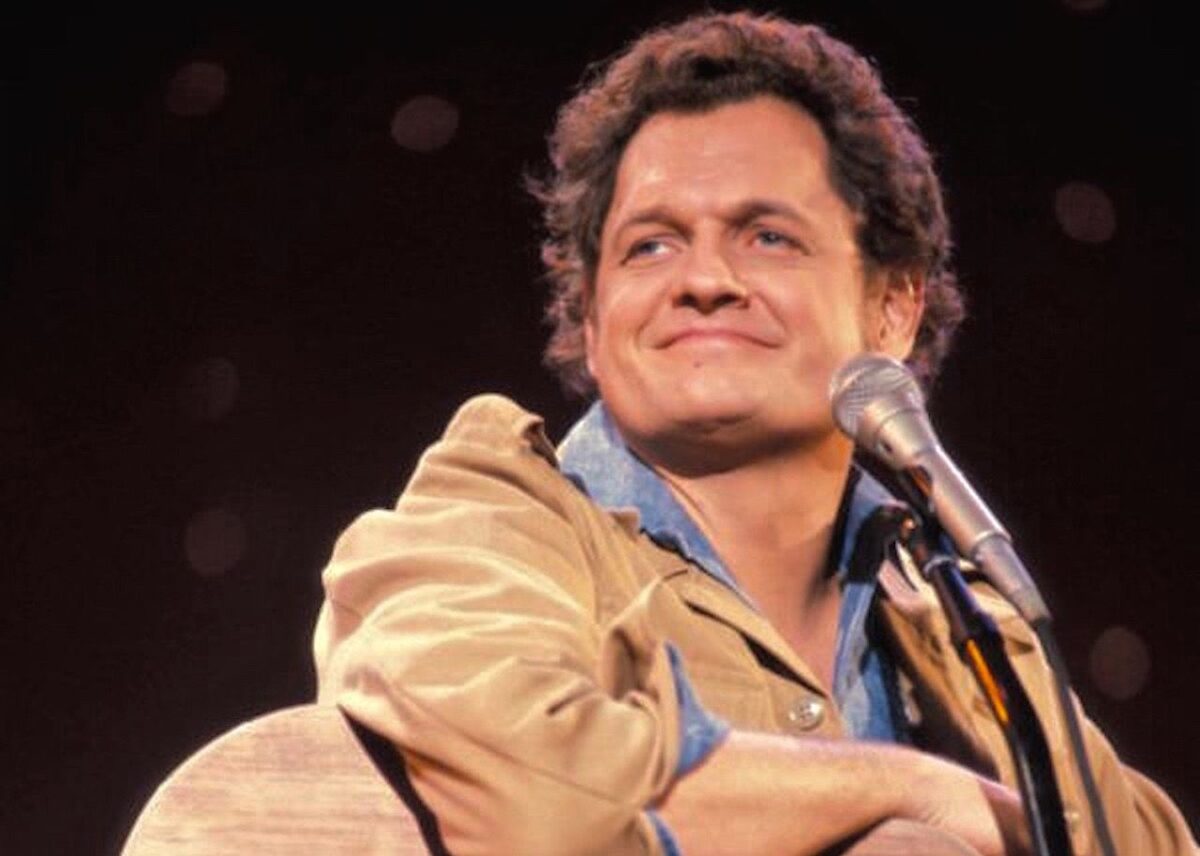
Let’s be honest—when we hear “net worth at death,” our brains usually jump to billionaires leaving behind yachts and private islands. But Harry Chapin? The guy who sang about a sad-eyed lady of the lowlands and a cat’s in the cradle? His story is a whole different tune. And that’s exactly why it’s worth a look, even if you’ve never owned a vinyl record.
Picture this: you’re at a backyard barbecue, and someone brings up that a beloved folk singer died broke. Suddenly, the potato salad gets interesting, because we all love a story that flips our assumptions. Harry’s financial ending isn’t a tragedy—it’s a testament to how he chose to live. And in a world of flashy wealth, that’s refreshing.
The Big Number: Not What You’d Expect
When Harry Chapin passed away in a car crash in 1981, his net worth was estimated to be around $500,000—a modest sum even back then. For a guy who had a #1 hit with “Cat’s in the Cradle” and toured constantly, that seems shockingly low. But here’s the kicker: he wasn’t broke because he was bad with money in a silly way. He was broke in the most Harry way possible—he gave it all away.
Must Read
Think of him as the friend who always picks up the dinner tab, even when he’s the one who needs a loan. Harry reportedly gave away more than 90% of his income to charity, family, and friends. He famously said, “I make a lot of money, and I give a lot of money away.” That’s like getting a bonus at work and immediately donating it to your neighbor’s GoFundMe for a new roof. You feel great, but your bank account just shrugs.
So, when you hear “net worth at death,” you’re not looking at a number. You’re looking at a man’s philosophy.
Why Should You Care? (It’s Not Just About a Singer)
Here’s the relatable part: we all struggle with the tension between saving for tomorrow and helping someone today. You’ve been there—deciding between stashing cash for a rainy day or buying that birthday gift for your sister that feels too expensive. Harry chose the gift, every single time.
His story makes you ask yourself: What am I actually storing up? Is your 401(k) more important than your cousin’s rent check? I’m not saying you should empty your savings, but Harry’s life is a gentle nudge to re-examine your priorities. It’s like looking at your sock drawer—you might have 20 pairs, but do you really need them when your pal is walking around with holes?
Also, let’s be real: the guy was a workhorse. He performed over 200 concerts a year, which is like going to the gym seven days a week, except the gym is a stage and the sweat is applause. He wasn’t lazy with his talent, just careless (in the best way) with his wallet.
The Real Legacy Isn’t a Bank Statement
Harry’s net worth at death might be a small number, but his impact is immeasurable. He co-founded WHY (World Hunger Year), and that organization is still doing important work today. That’s like planting a tree, watching it grow, and then telling everyone, “Oh, it’s just a tree.” Except it’s a forest now.

Millions of meals have been provided because of his efforts. So when you compare his $500,000 to, say, a modern pop star’s $50 million, you’re comparing apples to entire orchards. One buys private jets; the other buys hope.
And here’s the sweetest part: his family wasn’t left destitute. His wife, Sandy, and their kids received income from his song royalties (you still hear “Taxi” on classic stations), and friends stepped in to help. The guy had so much goodwill that it became a safety net. That’s the ultimate flex—being so loved that people catch you when you fall.
A Little Story to Chew On
Imagine you’re at a garage sale. You see a rusty old guitar with a broken string priced at $10. You haggle down to $5, take it home, and string it up. Then you write a song that makes millions cry. That’s not Harry’s story exactly, but it’s close. He didn’t hoard the guitar; he played it until the strings broke, then gave away the replacements.
Most of us will never have a “net worth” that gets blogged about. But Harry’s example is a reminder that your daily worth is measured in small moments. Did you make someone laugh today? Did you help a stranger with directions? Did you tip generously when you didn’t have to? That’s your real balance sheet.
So, next time you hear about a celebrity’s fortune, just remember Harry. He died with less money in the bank than the average car, but with a fortune of good deeds that’s still paying interest. And honestly, wouldn’t you rather be rich in that way?
He’d probably look at his net worth, shrug, and ask, “What’s for dinner?”—because he’d already given away the table. That’s the kind of legacy you can’t put a price on, but if you tried, it would be priceless.